By Professor Geremew Bultosa Geremew, Department of Food Science and Technology,
Botswana University of Agriculture and Natural Resources
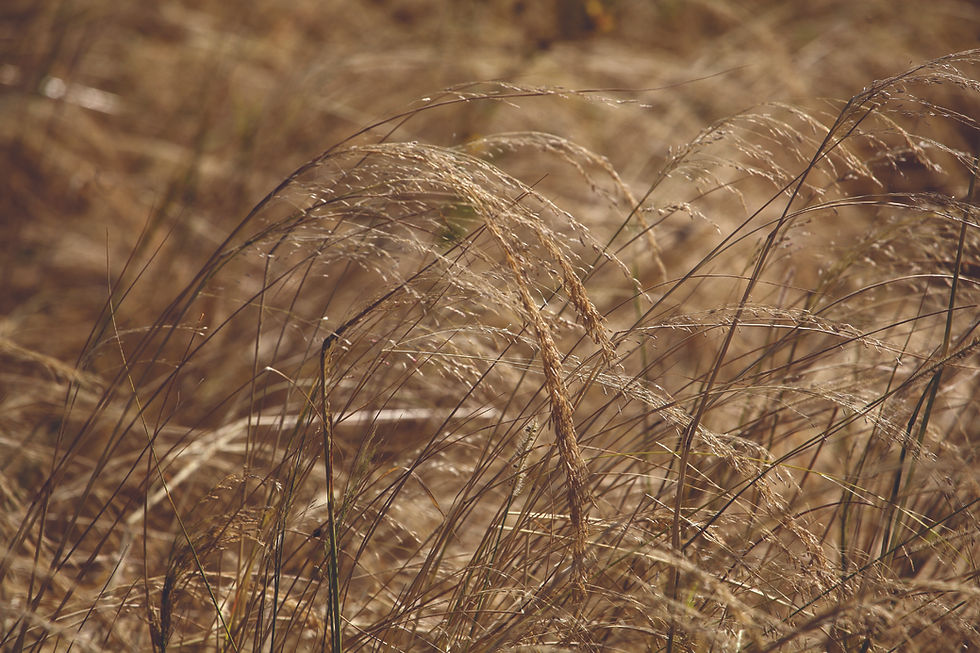
Teff (Eragrostis tef (Zucc.) Trotter) (Figure 1), an ancient cereal originating from Ethiopia, is now widely recognised as a nutrientrich 'super grain' with growing potential for bakery applications.¹
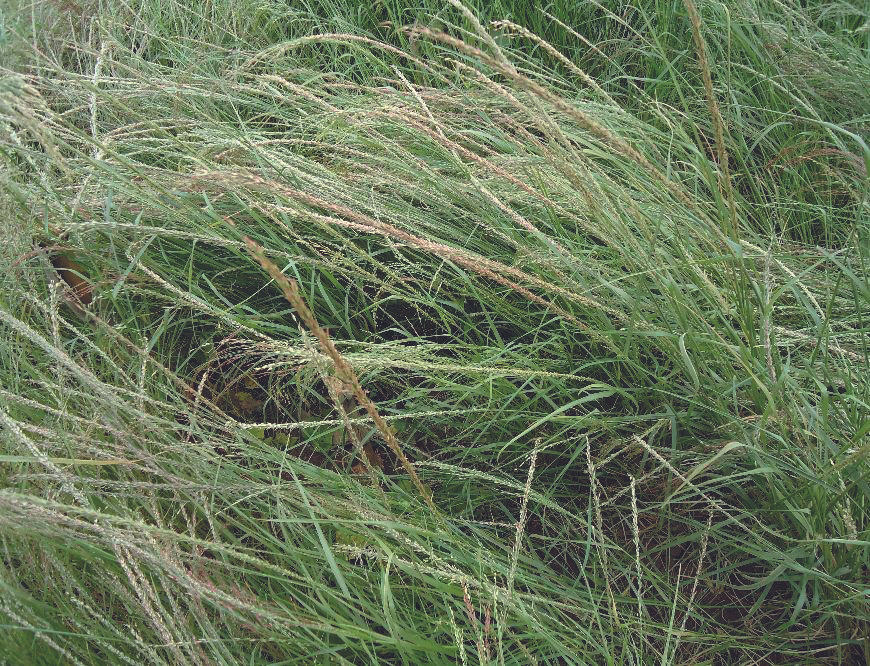
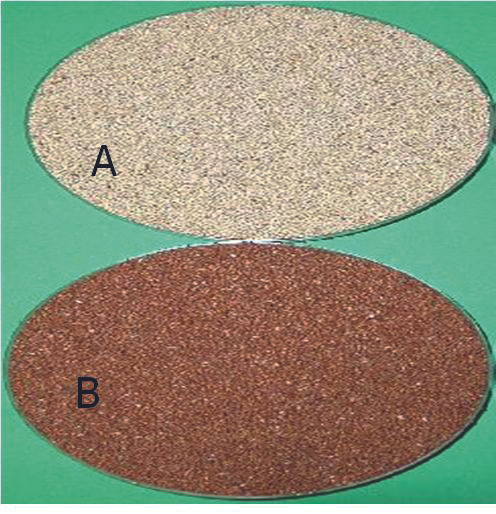
Unlike many cereals, teff is traditionally consumed as a whole grain (Figure 2), preserving its naturally occurring nutrients and bioactive compounds. It is used to produce a wide variety of baked products, including injera/caabitaa/budeena/tayeta (semileavened fermented flatbread), cumboo/ chumbo/bekuo (a pizza-like thick bread baked from partially fermented dough), anebabero (layered injera), qixxa/bixxille/ maaxino caabitaa/kitta/eremmto/ daguwalo (unfermented thick or thin pizza or chapati like flat bread) and daabboo qolo/hunkuro/dabbo kolo (crunchy, bite-sized baked snacks).
One of teff's greatest nutritional advantages is that it is naturally free from the gluten proteins found in wheat, barley, rye and triticale that trigger coeliac disease.²˒³ As there is currently no medical cure for coeliac disease, lifelong adherence to a strict gluten-free diet remains the only effective treatment.
In this respect, teff represents one of the most promising cereals for producing nutritious glutenfree baked products. Its long history in the traditional Ethiopian baking also provides valuable insights into how whole-grain processing and fermentation can be used to enhance both nutritional quality and product functionality.
Fermented teff baked products provide a rich source of nutrients and bioactive compounds, including whole-grain dietary fibre, phenolic compounds, highly digestible proteins, essential amino acids, prebiotics, beneficial unsaturated fatty acids, antioxidants, B vitamins and minerals, particularly iron and calcium.¹˒⁴˒⁵ Fermentation further enhances the nutritional profile through the production of postbiotics, antimicrobial metabolites and exopolysaccharides.
Together, these compounds may support nutritional recovery in people with coeliac disease while also contributing to dietary patterns associated with a lower risk of cardiometabolic disease, chronic inflammation and certain cancers. Unfermented whole-grain teff baked products retain many of the grain's inherent nutritional benefits, although they do not contain fermentation-derived compounds such as postbiotics and other microbial metabolites.
In addition, mineral bioavailability may be somewhat lower because phytic acid degradation is limited in the absence of fermentation, allowing a greater proportion of phytic acid to remain bound to minerals.
Beyond its role in gluten-free diets, wholegrain teff also shows considerable potential in supporting wider health. Its combination of soluble and insoluble dietary fibres slows starch digestion, contributing to a naturally low glycaemic index, while its favourable fatty acid profile – rich in oleic acid, linoleic acid (omega-6) and containing appreciable levels of alpha-linolenic acid (omega-3) – may help reduce blood glucose levels, low-density lipoprotein (LDL) cholesterol and total cholesterol.¹˒⁶˒⁷
From whole grain to traditional baked products
Cleaned teff grains are best milled using a disc attrition (plate) mill to produce whole-grain flour with a particle size of approximately 125 to ≤90μm, resulting in a high degree of starch granule damage that is well suited to baked food production.¹
For unfermented baked products, dough is typically prepared by mixing whole grain teff flour with potable water at a ratio of approximately 1:1.4. Small amounts of edible vegetable oils, such as olive, canola, niger seed, sesame, maize germ or palm oil, may be incorporated before kneading to achieve a smooth, workable dough.⁴ After resting for around 30 minutes to one hour to allow the flour to hydrate fully and the dough to relax, it can be shaped into the desired form and baked on a lightly greased griddle until a light to dark brown colour develops and an attractive aroma is released (Figure 3).
Baking time and temperature depend on the thickness of the product. These baked goods often develop a characteristic molasses-like aroma. Depending on the intended product, toppings such as herbs, spices, fish, tomato, mushroom, onion or garlic sauces, together with cottage or mature cheeses and/or yoghurt, may be added before or after baking to enhance nutritional value, increase bioactive compounds and improve sensory appeal. For fermented baked products, whole grain teff flour is mixed with potable water at approximately a 1:2 ratio then worked by kneading to achieve complete hydration and a smooth dough structure.⁵
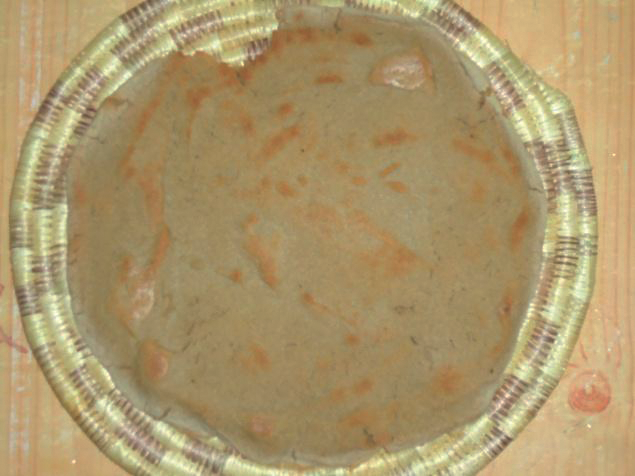
For bakers, teff flour behaves quite differently from many conventional cereal flours, absorbing significantly more water than sorghum, maize, rice, wheat, barley or millet flours. This is largely due to its exceptionally small starch granules (2–6μm in diameter), the degree of starch granule damage created during milling, and the presence of proteins and non-starch polysaccharides in the whole grains. The science of teff fermentation Perhaps the best-known application of teff is injera, Ethiopia's traditional fermented flatbread, which relies on a distinctive twostage fermentation process (Figure 4).
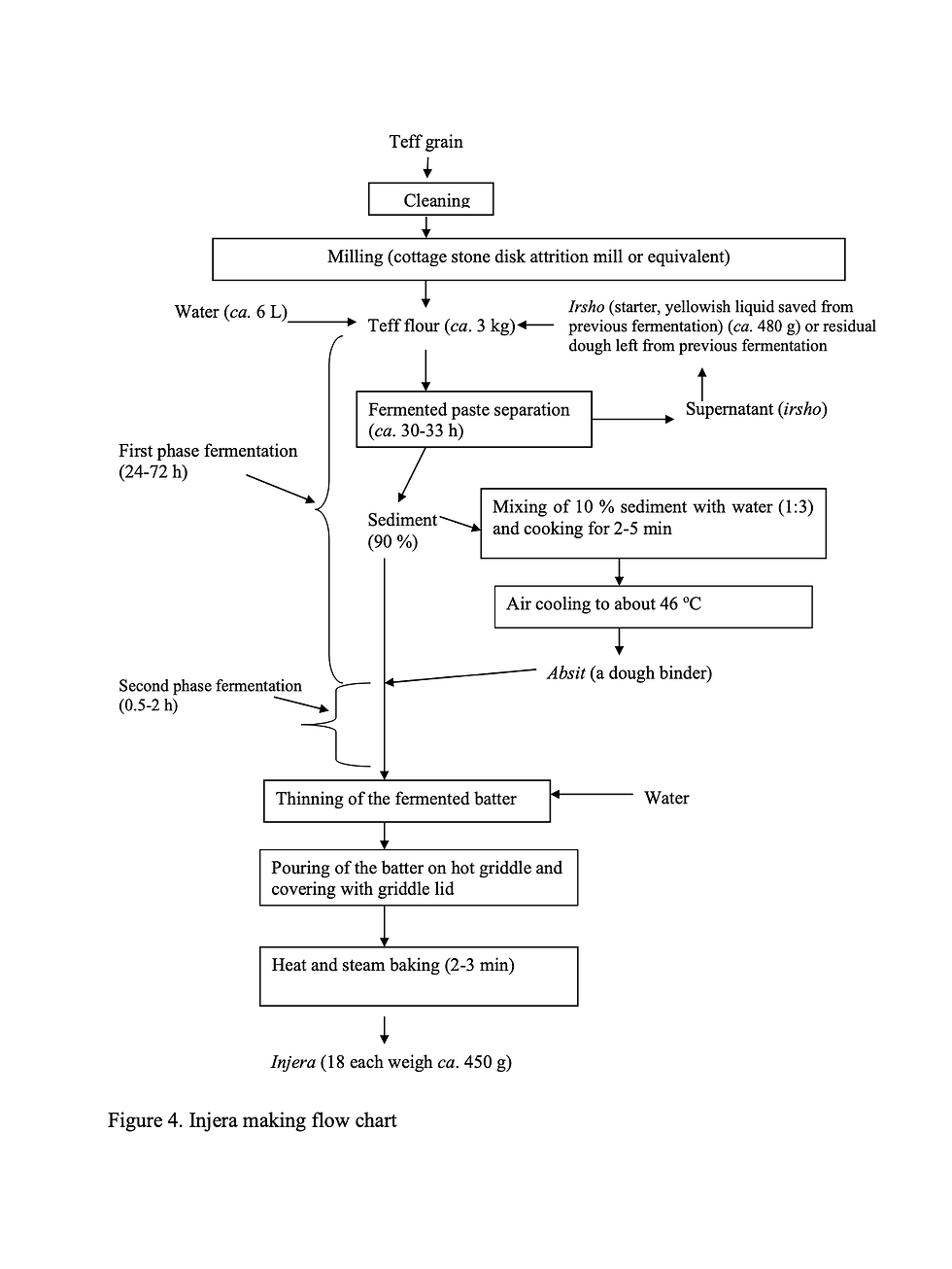
The dough is covered and fermented spontaneously at ambient temperature (20–25°C) by naturally occurring microbial communities present in the flour, water and processing environment. Depending on temperature, fermentation typically lasts between 24 hours under warmer conditions and 72 hours at lower temperatures.⁵ Fermenting the batter for around 31 hours generally produces a mildly sour bread with a desirable aroma, while products baked from batter at the onset of fermentation are less sour and retain a distinctive molasses-like aroma. Teff dough can also be used to produce thick or thin breads at the beginning of fermentation or after fermentation has progressed.
As with unfermented products, toppings such as herbs, spices, sauces, cheeses and yoghurt may be incorporated to enhance nutritional value and sensory appeal. Compared with unfermented thick breads, fermented products additionally provide postbiotics, fermentation-derived metabolites and improved mineral bioavailability. Products baked from fully fermented dough develop a more pronounced sour flavour owing to the production of lactic acid and other organic acids. Fermentation also offers opportunities for developing gluten-free breads with improved processing characteristics.
For example, the use of Lactobacillus plantarum B4 together with baker's yeast (Saccharomyces cerevisiae) has been shown to improve dough functionality, reduce dough development time from three hours to approximately two hours and three minutes, and produce bread with a softer, less firm crumb.⁸ These findings demonstrate how traditional fermentation can also support the development of modern gluten-free bakery products with improved processing performance and eating quality. Teff fermentation is driven by a complex community of lactic acid bacteria (Lactobacillaceae) together with yeasts including Candida, Pichia, Saccharomyces and Torulopsis.⁹
Traditional production commonly uses back-slopping, whereby a portion of fermented batter or the acidic yellow liquid (known as raacitii, irsho or ersho) separated during primary fermentation is retained as a starter culture for the next batch. This shortens fermentation time while promoting a more consistent microbial population. At the end of primary fermentation, the yellowish acidic liquid is decanted, and approximately 10% of the batter is removed to prepare absit – a gelatinised dough binder (substrate booster for fermenting microorganisms) produced by boiling the batter with water before cooling it to around 46°C and reincorporating it into the fermenting dough.
This marks the start of the second fermentation stage, which typically lasts 30-60 minutes before the batter is diluted to its final consistency and steam-baked on a hot griddle (180-190°C) for around two to three minutes (Figures 6-7). The finished injera (Figures 8-10) can be served alone or accompanied by sauces and/or stews.
Figures 6-10
Unlike many baked cereal products, injera is not expected to form acrylamide because of its high moisture content during steam baking and the consumption of reducing sugars during fermentation by fermenting microorganisms.
Supporting nutritional recovery in coeliac disease
People living with coeliac disease often experience malnutrition because the gluten proteins found in wheat, barley and rye damage the intestinal enterocytes responsible for nutrient absorption.
These specialised cells play a vital role in the digestion and absorption of nutrients, bioactive compounds, electrolytes and water, while also acting as a protective barrier against harmful microorganisms and toxins and contributing to normal immune function.
As a result of impaired nutrient absorption, people with coeliac disease may experience symptoms including bloating, diarrhoea, constipation, anaemia, osteoporosis, dermatitis herpetiformis (an autoimmune blistering skin condition), neurological disorders and weight loss.
As naturally gluten-free whole-grain foods, teff baked products provide a rich source of macro- and micronutrients, dietary fibre and bioactive compounds. Fermented teff products additionally supply postbiotics and fermentation derived metabolites, making them particularly well suited to supporting the nutritional management of people living with coeliac disease. More broadly, the nutritional characteristics of teff extend beyond coeliac disease alone. Its combination of whole-grain nutrition, favourable dietary fibres profile and naturally occurring bioactive compounds makes it an attractive ingredient for consumers seeking healthier bakery products as part of a balanced diet.
As interest in naturally gluten-free, whole-grain bakery products continues to grow, teff offers bakers an opportunity to combine traditional processing with modern nutritional demands. Its long history in Ethiopian baking may therefore provide valuable lessons for the future development of nutritious gluten-free bakery products worldwide.

FOR MORE INFORMATION
Geremew Bultosa (PhD, Professor)
Department of Food Science and
Technology, Botswana University
of Agriculture and Natural
Resources (BUAN), Private Bag
0027, Gaborone, Botswana
Office Tel: +267 3650128
Fax: +267 3928753
Email: geremewbultosa@gmail.com
References
1. Bultosa G. & Abebe W. 2026. Teff (Eragrostis tef) and composite flour injera-potential toward mainstream global baked product. In Workneh, T.S., Mbuge, D.O. & Bultosa, G. (eds.) Processing, Nutrition and Value Addition Principles of Neglected and Underutilized African Foods (pp 379-396) Academic Press, Elsevier, USA.
2. Kutlu G, Ozsuer E, Madenlioglu M, Eroglu G. & Akbas I. 2024. Teff: Its role in gluten-free food formulations and potential applications-An overview of existing literature research. European Food Science and Engineering, 5 (2), 71-95, https://doi: 10.55147/efse.1505289
3. Spaenij-Dekking L, Kooy-Winkelaar Y and Koning F. 2005. The Ethiopian cereal tef in celiac disease. The New England Journal of Medicine, 353 (16), 1748-1749
4. Bultosa, G. 2019 a. Traditional African bread and the physicochemical properties of unfermented flatbreads. In: Melton, L., Shahidi, F., Varelis, P. (Eds.). Encyclopedia of Food Chemistry (Vol. 3, pp. 66-80), Elsevier Ltd., Oxford, UK, https://doi: 10.1016/B978-0-08-100596-5.21696-X.
5. Bultosa, G. 2019 b. Traditional African bread: physicochemical and sensory properties of fermented breads. In: Melton, L., Shahidi, F., Varelis, P. (Eds.). Encyclopedia of Food Chemistry (Vol. 3, pp. 81-89), Elsevier Ltd., Oxford, UK, https://doi:10.1016/B978-0-08-100596-5.22458-X.
6. Demir EG, Tarakci NG, Samanci RA, Cambaz M, Bilici Ş, Tuygan D, Çalık B. & Çiftçi AS. 2022. The effect of teff seed on hematological findings and anthropometric measurements. Ethiopian Journal of Health Science, 32 (3), 641-650. https://doi: http://dx.doi.org/10.4314/ejh s.v32i3.21
7. Dereje N, Bekele G, Nigatu Y, Worku Y. & Holland RP. 2019. Glycemic index and load of selected Ethiopian foods: An experimental study. Journal of Diabetes Research, 1-5, https://doi.org/10.1155/2019/8564879
8. Yimer GA, Barakova N, Gunkova P, Shamtsyan M, Dozortseva A, Sadovoy V, Kiprushkina E, Arsenev T. & Ibrahim M. 2025. Improving teff sourdough bread quality through Lactobacillus plantarum fermentation. Functional Food Science, 5(12), 747-757. https://doi.org/10.31989/ffs.v5i12.1872
9. Bonger ZT, Abera MK, Ayanaw Habitu TA, Abera AA, Tenagashaw MW, Tiruneh AT, Awol SJ, Wudineh TA, Asres DT & Yehuala TF. 2023. Isolation and identification of dominant lactic acid bacteria and yeast species from teff (Eragrostis teff) injera dough fermentation. Cyta – Journal of Food, 21 (1), 718-734.https://doi.org/10.1080/19476337.2023.2276830