Trials suggest that Duynie's DuyGrain, an upcycled barley ingredient, could help improve bread freshness, dough yield and nutritional value while supporting more circular bakery formulations.
Can one ingredient help bakeries tackle several challenges at once?
From the moment loaves leave the oven, the clock starts ticking. Crumb softness declines, moisture migrates and at some point mould appears. In between those points, bakers and retailers are trying to keep waste under control, protect margins and maintain consumer trust. So, how can bakeries keep bread fresh for longer without making formulations more complex?
DuyGrain is an upcycled barley ingredient produced through the mild processing of brewers’ spent grain, which is a co-product from the beer brewery industry. It is naturally high in protein and fibre, low in carbohydrates and has a mild grainy taste and natural brown colour. Its water-binding properties also make it an interesting functional ingredient for bakery applications.
Because DuyGrain is produced from a steady industrial co-product stream, it offers consistent quality and year-round availability.
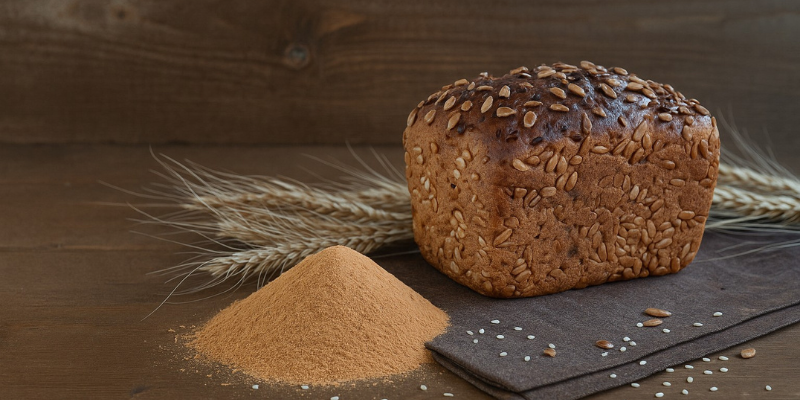
But what happens when DuyGrain is used in an actual bread recipe?
Controlled baking trials compared reference bread with recipes containing different levels of DuyGrain. The tests examined microbial and texture-related shelf life, dough yield, nutrition and seed attachment. The aim was not to establish a universal result for every recipe, but to understand its performance in a realistic freshly baked bread application.
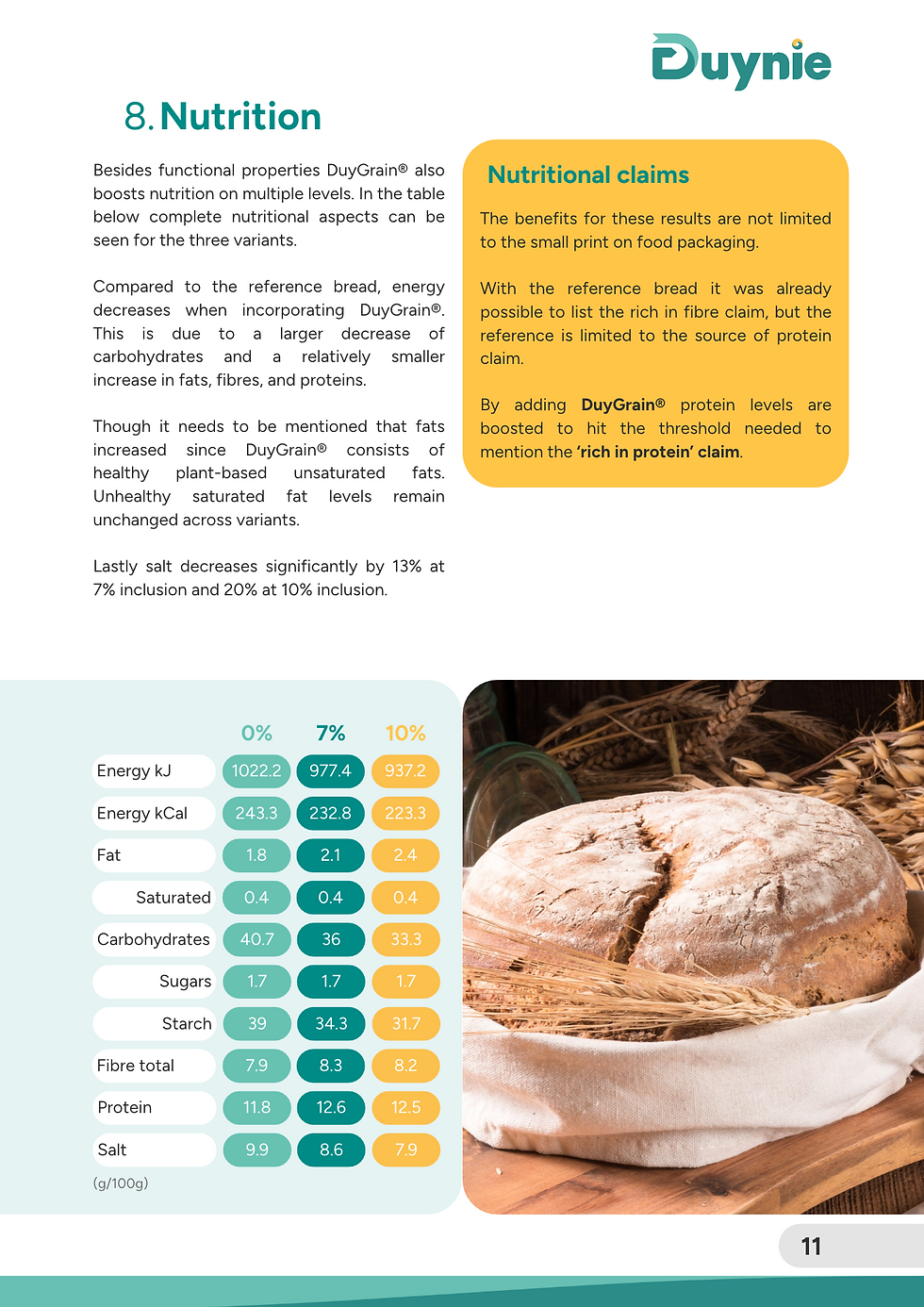
The results point towards 7% inclusion, based on baker’s percentage, as the most balanced level in the tested recipe. At this level, crumb firmness increased by only 7% over three days, compared with 29% in the reference bread, extending the shelf-life freshness of the bread with DuyGrain. Total dough weight increased by 8.4%, seed adhesion improved significantly, while protein and fibre levels also improved.
What could these results mean at industrial scale? Could improved water retention support freshness and cost-in-use? And can an upcycled ingredient help bakeries combine functionality, nutrition and circularity in one formulation?
The new white paper, 'DuyGrain: Functional and nutritional benefits in bread,' presents the complete test set-up, results and practical conclusions for bakeries considering DuyGrain.
Download the white paper to explore the findings.